


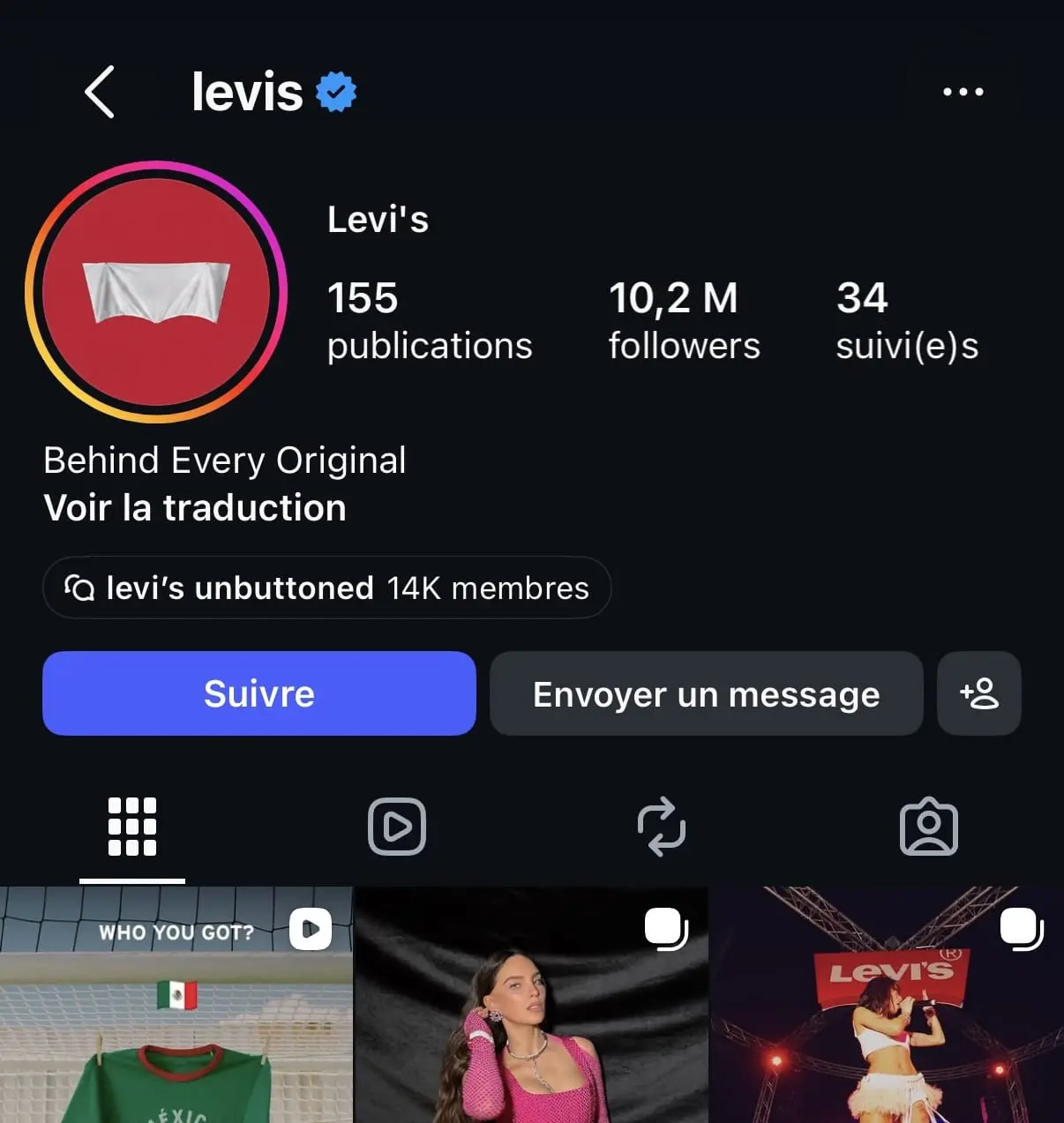
FIFA operates on a business model heavily sustained by multi-billion-dollar exclusive partnerships. To protect the rights of these official tournament sponsors, the organization enforces a strict clean stadium policy. Any venue hosting matches must completely strip itself of non-sponsor corporate branding. Because Levi’s is not an official FIFA sponsor, the stadium had to undergo severe alterations for the duration of the tournament. Levi’s Stadium was temporarily renamed San Francisco Bay Area Stadium, and all references to the brand had to be removed, wrapped in plastic, or covered over. This included the giant, signature red Levi’s batwing logos near the entrances and above the scoreboard, which had to be hidden from the view of global broadcast cameras.
Rather than throwing up a generic rectangular banner to block out the brand, Levi’s complied with the rule in the most creative way possible. They covered the logo with a custom-cut white tarpaulin that precisely matched the unmistakable silhouette of their batwing emblem. By tightly wrapping the white tarp around the contours of the logo, the distinct curved geometric shape remained glaringly obvious to anyone looking at it. It triggered a textbook case of the Streisand Effect, where attempting to hide or censor something only draws exponentially more attention to it. Fans at the matches immediately noticed the massive, mysteriously shaped white sheet hanging next to the word stadium, took photos, and pushed the imagery viral on social media.
Recognizing a massive viral moment, Levi’s corporate marketing team quickly leaned into the internet’s reaction. They changed their official social media profile icons globally to match the white-wrapped silhouette and posted videos of the covered stadium signage using viral audio trends alongside tongue-in-cheek captions. While FIFA’s goal was to erase non-sponsor visibility to maximize official partner exposure, Levi’s execution kept the brand top-of-mind purely through shape recognition without using a single letter. By using smart design to bypass rigid commercial restrictions, Levi’s proved that when a brand’s visual identity is deeply embedded in culture, you don’t even need to show the name for people to know exactly who you are.